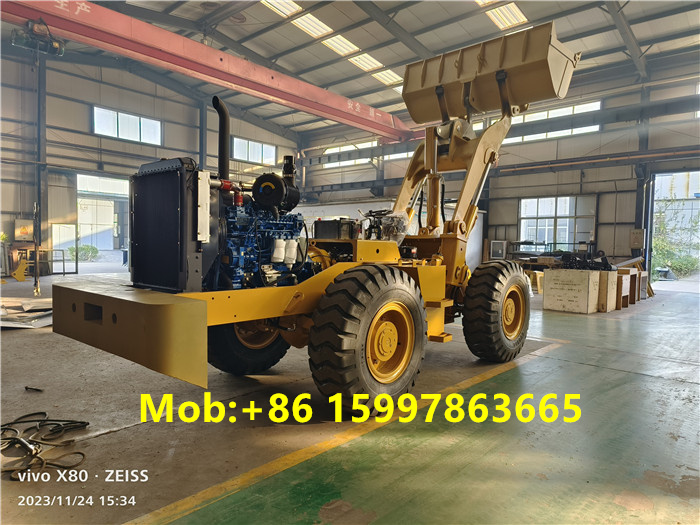
Application Fields of Wheel Loader
2026-10-16
Wheel loaders are no longer just machines for moving earth; they are versatile workhorses that fit into a wide range of industries and everyday operations. From large‑scale infrastructure projects to small farms and industrial yards, their ability to load, push, carry, and stack different types of material makes them one of the most adaptable pieces of equipment available today. Understanding where and how they are applied helps businesses choose the right model, size, and support ecosystem for their specific needs.
Construction and Infrastructure
In construction, wheel loaders are a constant presence on sites, from small housing projects to major highways and industrial complexes. They handle bulk materials like sand, gravel, soil, crushed stone, and demolition debris, loading them into trucks or spreading them for backfilling and grading. Their mobility also allows them to assist in site preparation—clearing vegetation, removing rubble, and levelling ground—without the need for multiple specialized machines.
Mining, Quarries, and Bulk Material Handling
In mining and quarrying operations, wheel loaders are central to material‑flow efficiency. They load extracted ore, coal, and aggregates into haul trucks, feed crushers and screens, and manage large stockpiles of processed material. Their durability under heavy, continuous loads, combined with high‑speed travel and short cycle times, helps mining companies keep truck queues low and production rates high. In similar ways, they support large‑scale material‑processing plants by handling raw inputs and by‑products in a controlled, high‑throughput manner.
Agriculture and Rural Operations
Wheel loaders are also widely used in agriculture, where they act as all‑around utility machines on farms and rural processing units. They load grain, feed, silage, manure, and bales, move them between storage areas, and clear out sheds and barns. Their compact size and manoeuvrability make them ideal for narrow lanes and small yards, and with the right attachments they can handle tasks ranging from stacking hay to assisting in land‑levelling and small‑scale earthmoving.
Ports, Warehouses, and Logistics
In ports, terminals, and industrial logistics hubs, wheel loaders support bulk‑material movement and yard management. They handle sand, gravel, fertilizers, and other loose materials that arrive by ship or rail, transferring them to stockpiles, silos, or transport vehicles. In large warehouses and material‑handling yards, they assist in loading and unloading, organizing storage, and feeding material into processing lines, helping keep operations smooth and time‑efficient.
Waste Management and Environmental Works
Wheel loaders are increasingly used in waste management, landfills, and recycling facilities. They help push and spread waste, manage landfill cells, and sort recyclable materials by moving different streams into designated areas. Their robust build and compatibility with specialized buckets and grapples make them well‑suited for dirty, variable‑density work that demands reliability and safety. In many such sites, they are expected to work long hours in challenging environments, which is why durability and service support are so important.