What Is a Truck Crane?
2026-10-29
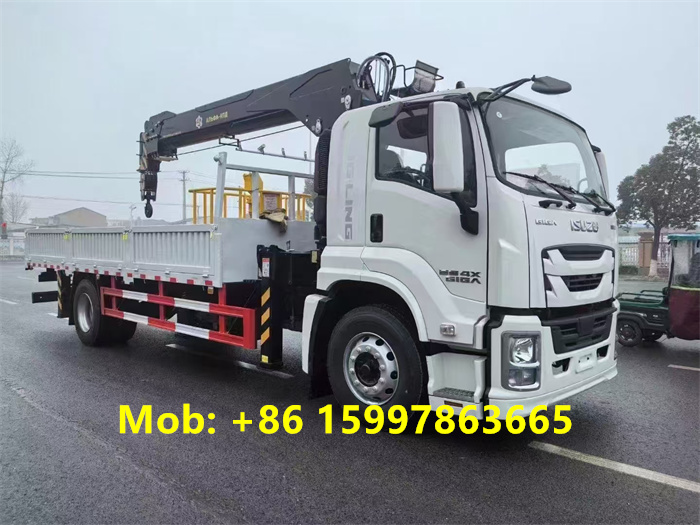
A Truck Crane is essentially a heavy‑duty truck that carries a built‑in crane on its body, allowing it to both transport large materials and lift or lower them at the destination. Instead of needing separate transport and lifting equipment, this single unit can drive to a site, set up its supports, and perform the full range of lifting and placement work. This combination of mobility and lifting power makes truck cranes a practical choice for construction, logistics, utilities, and many industrial projects where movement and overhead handling both matters.
Core features and working principle
At its heart, a truck crane is a mobile crane mounted on a robust truck chassis. The chassis provides the engine, transmission, and wheels for standard road travel, while the rear section carries the crane—usually a hydraulic telescopic boom—complete with winch, hook, and stabilizers.
Before lifting, the operator extends outriggers or stabilizing legs to create a solid base, then uses hydraulic controls to raise, lower, and swing the boom with precision. The operator can work from the cab or a remote-control station, depending on the model, giving flexibility when positioning materials in tight or elevated spaces.
Common uses on construction and industrial sites
Truck cranes are especially valuable where time and space are limited. On construction sites, they place steel beams, columns, precast panels, and other heavy structural elements, often at the upper levels of buildings or along roadside edges.
Utility teams use them to install and service poles, transformers, and overhead lines, while industrial projects rely on them for machinery placement, plant retrofits, and equipment handling.
In logistics, ports, and large yards, the same crane can load and unload containers, generators, and oversized machinery directly from trucks or trailers, eliminating the need for auxiliary lifting equipment.
Capacity, mobility, and operational advantages
Truck cranes are available in a wide range of lifting capacities and boom lengths, from lighter models suitable for local deliveries and service work to heavy‑duty units capable of handling tens of tons at extended reach.
Because they run on standard roads, truck cranes can move between sites under their own power, reducing the need for extra transport vehicles and specialized rigging crews.
When matched with a durable, well‑engineered chassis and reliable hydraulic systems, they support repetitive lifting tasks while remaining manoeuvrable enough for typical urban and industrial access roads.
Integration into broader equipment and transport workflows
Truck cranes naturally complement other heavy vehicles such as dump trucks, mixers, and specialized transport units within a coordinated logistics and construction workflow.
By handling both the carriage and the lifting of heavy or bulky items, they shorten the chain of handovers, cut setup time, and improve site safety.