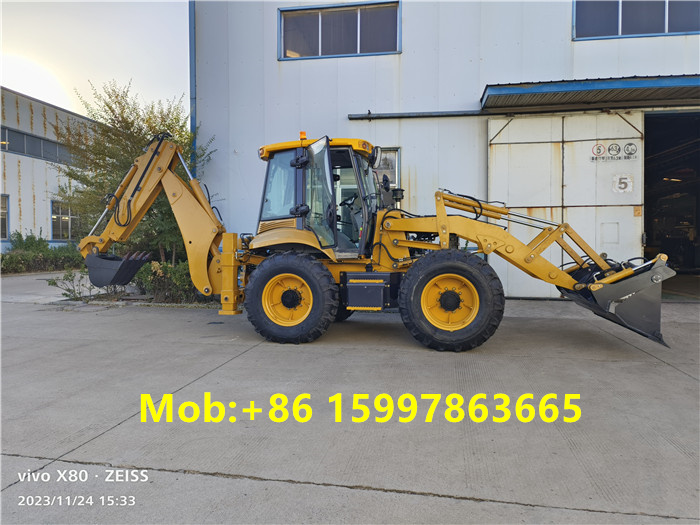
Material Introduction of Wheel Loader
2026-10-18
When a Wheel Loader is in operation on a construction site, in a quarry, or across an industrial yard, it is not just moving earth—it is managing the entire flow of material that keeps the project moving. The machine’s real strength lies in its ability to interact with a wide range of bulk and loose materials, shifting them safely, efficiently, and consistently from one point to another. Whether it is handling soft soil in a housing project or hard rock in an open‑cast mine, the wheel loader adapts to the material and the working environment to deliver reliable performance.
What Types of Material Can a Wheel Loader Handle?
Wheel loaders are designed to work with virtually any bulk or loose material that can be scooped from the ground. Common examples include sand, gravel, soil, crushed stone, demolition debris, ash, coal, and construction waste. In quarries and mining operations, they regularly handle hard rock, ore, and overburden, loading them into haul trucks or organizing them into stockpiles at steady fill rates. In industrial settings, they transfer bulk raw materials, by‑products, and even aggressive substances such as slag or hot waste, depending on the machine’s configuration and supporting attachments.
In agriculture and smaller rural operations, wheel loaders move grain, fodder, silage, manure, bales, and other farm‑related materials. Their flexibility also extends to recycling and waste‑management centres, where they sort, push, and stack different material streams for further processing. The same basic wheel loader can adapt to multiple sectors simply by changing bucket size, shape, or adding specialized attachments such as grabs, grapples, or forks. This adaptability makes it a practical multipurpose tool for businesses that operate across construction, agriculture, mining, and logistics.
How the Machine Interacts with Material
The core of a wheel loader’s capability lies in its front‑mounted bucket, hydraulic arms, and driveline. The operator approaches the material pile, lowers the bucket, digs into the pile, and closes it to scoop; the hydraulic system then lifts and retains the load while the machine travels short distances to dump it into trucks, hoppers, conveyor feeders, or stockpiles. The shape and design of the bucket, along with the geometry of the loader arms, directly influence how efficiently material is picked up, held, and discharged, reducing spillage and repeated handling.
Tire selection and frame configuration also affect material interaction. On softer or more sensitive surfaces, certain tires and bucket designs help reduce ground pressure and prevent damage, while in rugged quarries and mines, heavy‑duty industrial‑tread tires provide better traction and greater durability. The tipping load and bucket capacity define how much material can be handled in a single cycle, and modern designs carefully balance these figures to maintain both productivity and stability.
Why Material Compatibility Matters for Users
For businesses that depend on continuous material movement—construction contractors, mining operators, logistics providers, and industrial units—choosing the right wheel loader is not just about size and power; it is also about how well the machine suits the material it will handle every day. Some materials flow freely, others are dense and compact, and many are highly abrasive or corrosive. Selecting a loader with the appropriate frame strength, bucket design, and operating behaviour for the specific material helps reduce wear, lower fuel consumption, and keep uptime high.