How to Operate a Truck Crane
2026-11-05
Truck cranes are powerhouse machines that combine the agility of a truck with exceptional lifting strength, making them indispensable for construction sites, infrastructure projects, and industrial tasks. Operating one safely requires a blend of technical knowledge, hands-on skill, and unwavering attention to detail. Whether handling a 20-ton Sinotruk model or a heavy-duty Shacman variant, operators must follow structured procedures to ensure efficiency, prevent accidents, and extend equipment life. Proper operation not only boosts productivity but also upholds the highest safety standards in demanding environments.Pre-Operation ChecksBefore starting, conduct a comprehensive inspection to identify potential issues. Begin with a visual walk-around: examine the chassis for cracks, hydraulic leaks, tire wear, and outrigger pads. Check wire ropes for frays, hooks for deformation, and safety latches. Verify fluid levels—engine oil, hydraulic fluid, and coolant—and test the battery. Inside the cab, confirm the functionality of controls, gauges, load moment indicator (LMI), and emergency stops. Review the day's weather and site conditions, marking hazards like overhead lines or soft soil. Secure the area with barriers and brief ground crew on signals.Positioning and StabilizationDrive the Truck Crane to the optimal lift spot on firm, level ground, avoiding slopes steeper than 3 degrees. Engage the parking brake, shift to neutral, and activate the power take-off (PTO) via the cab lever or switch—this channels engine power to the hydraulics. From the operator's station, extend the outriggers: first horizontally to full span, then vertically until the tires lift slightly off the ground. Use the built-in level indicator to adjust for plumb, ensuring even pressure distribution. Test PTO disengagement for quick mobility if needed.Rigging and Lift PlanningConsult the crane's load chart, tailored to its boom length, angle, and counterweight setup, to calculate safe capacities at various radii. Select appropriate rigging—slings, shackles, and spreader beams—ensuring a minimum 5:1 safety factor and angles below 60 degrees. Weigh the load, if possible, factor in rigging weight, and plan the path to avoid obstacles. Brief the team on hand signals or radio protocols. Perform a function test: slew 360 degrees slowly, luff the boom up and down, telescope sections, and hoist a light test load to confirm brakes hold firm.Executing the LiftPosition the boom of truck crane at the predetermined angle, extend as required, and lower the hook precisely over the load. Hoist smoothly in low gear, monitoring the LMI for real-time feedback on load, radius, and height. Maintain a steady slew speed, avoiding sudden stops or wind-exposed swings. Keep personnel outside the swing arc and never exceed 75% of capacity. During multi-part lifts, use tag lines for control. Lower loads deliberately, landing them squarely before unhooking.Shutdown and Post-OperationRetract the boom to travel position, collapse outriggers, and disengage PTO. Stow all gear, remove counterweights if traveling, and secure pins and locks. Conduct a final inspection for damage or leaks, clean the cab, and log hours and observations in the maintenance record. Park in a stable spot, chock wheels, and report any anomalies.Key Safety and Efficiency TipsAlways wear PPE: hard hat, harness, and high-vis gear.Never operate under the influence or fatigued.Use spotters for blind spots and maintain clear communication.Monitor wind speeds—cease at 32 km/h gusts.Regular training and certifications are non-negotiable. 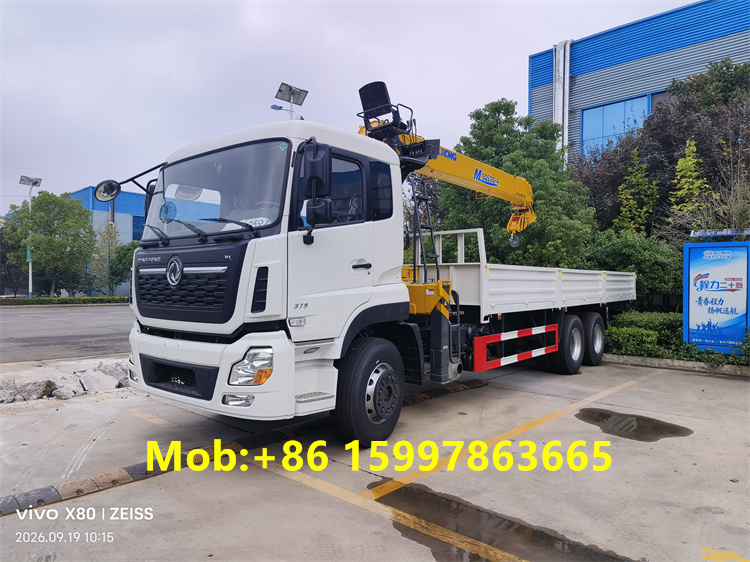 Mastering these steps transforms truck crane operation into a seamless, confident process, delivering results with precision and peace of mind.



 Mastering these steps transforms truck crane operation into a seamless, confident process, delivering results with precision and peace of mind.


